
It’s critical to start the year off right, and I think employability skills, or more generally, success skills, are ideal to teach at the beginning of the school year! Even students with the worst work habits are returning from summer with optimism, ready to do better in this school year. The start of the year is a great time to capitalize on all of that and encourage your students to approach your class with professionalism. Your school will likely have its own way of reiterating school rules and policies, and through this unit, you can weave in your own ways of working to impart proper work habits to your students.
Start the Year Setting Expectations
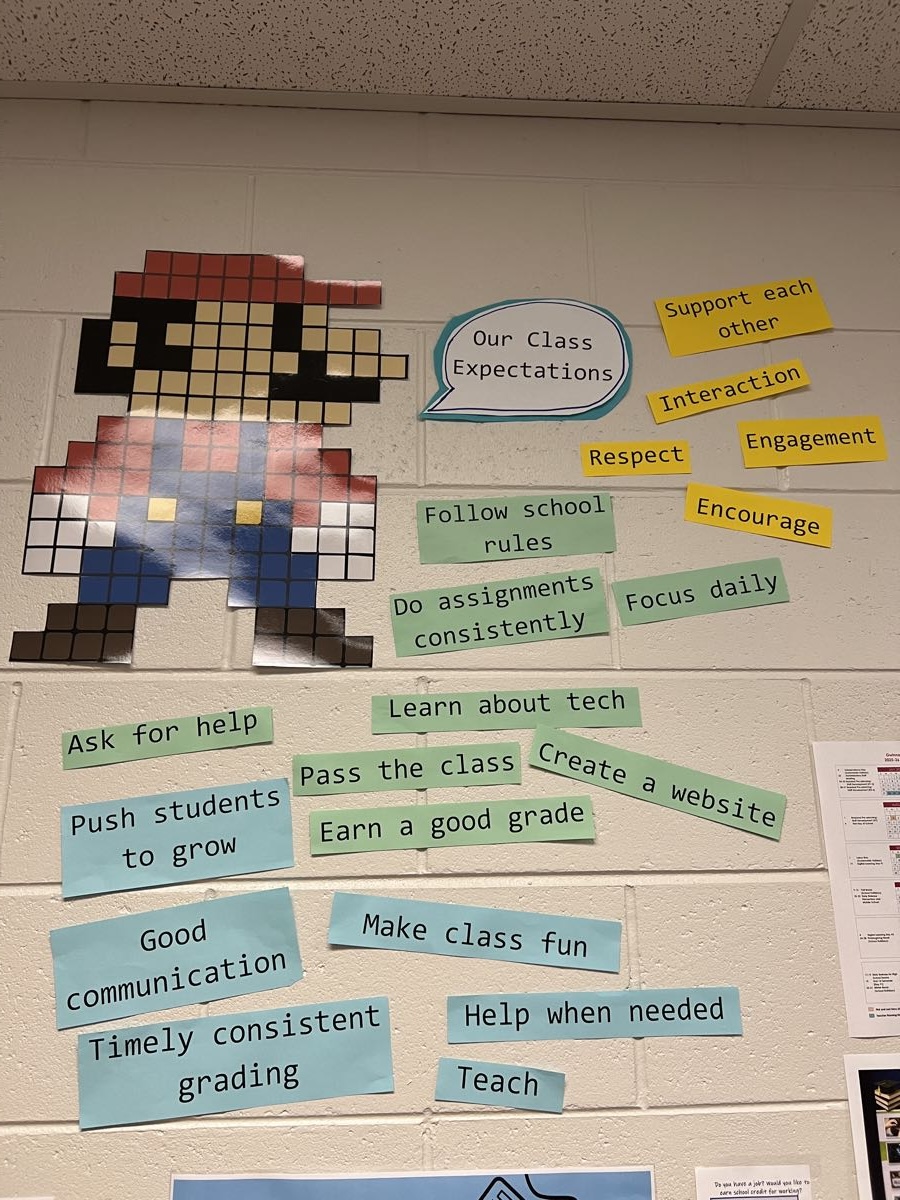
As an engineering manager, I’d often join a new team and learn or help establish the team’s norms. These norms were agreements regarding the team’s way of working. They’d include things like core working hours, how to handle conflict, and expectations for timely communication. Company and team culture are more clearly defined by these expectations; similarly, in a classroom and at school, expectations illustrate the culture. Involving students in setting expectations helps them to take accountability for their actions and maintain a healthy classroom culture. Here are the expectations and norms for my classroom. Notice they include expectations for both teachers and students.
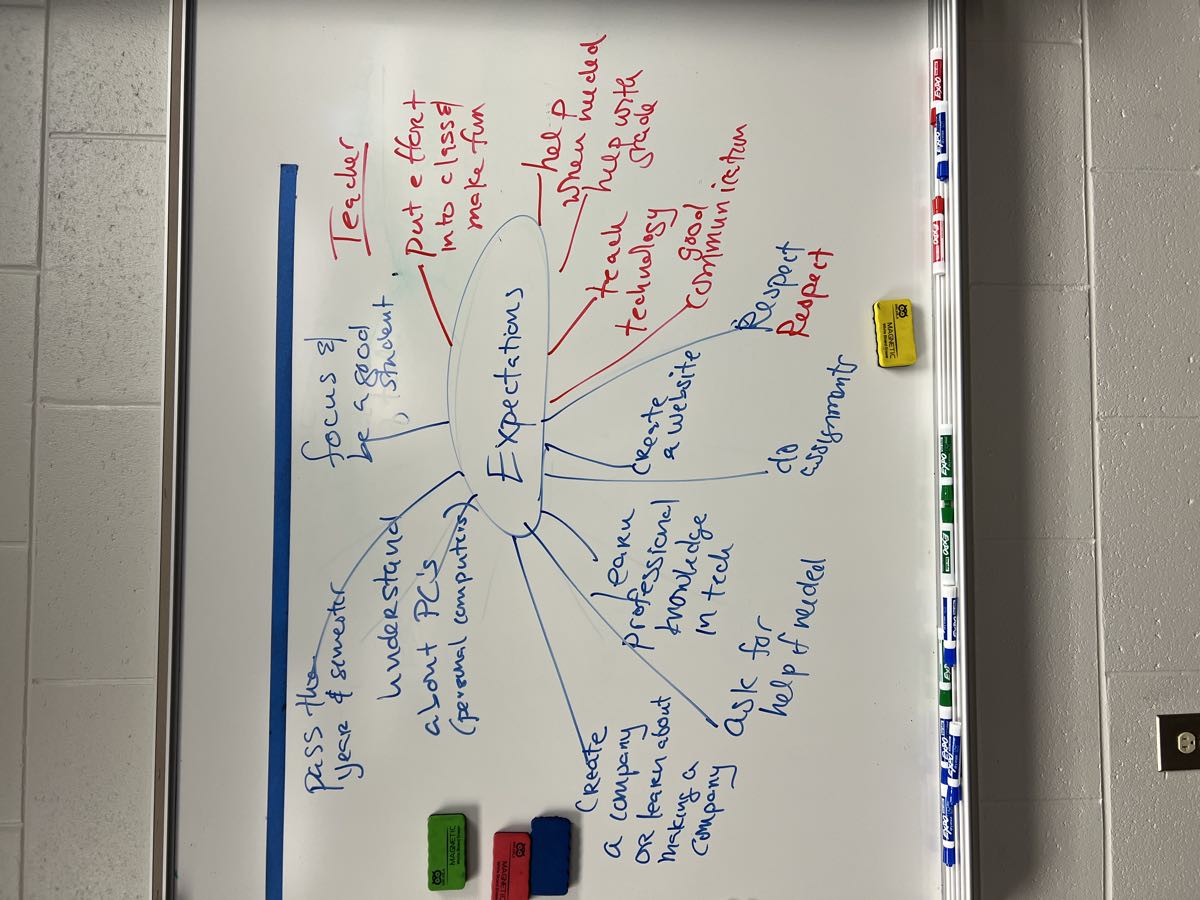
An easy start to the year
From an academic standpoint, the Employability Skills unit is not super rigorous, so many students will do well. However, it is foundational to the ways of working for the rest of the year. Students will create a resume and portfolio, practice interviewing, and, on the technical side, learn to work in shared documents, accept and give comments in a document, update a simple content management system, and identify the roles of various members on a software product team.
By the end of the unit, they’ll learn what’s appropriate vs. inappropriate in work settings and have established norms and procedures for interacting in your classroom. Teachers should use the first two weeks to set classroom expectations as a class and establish the class cadence, including daily expectations, how and when to turn in assignments, etc.
Here’s what my final consolidated classroom expectations looked like.